
A squealing belt is an indication of improper belt pressure, a misaligned or worn pulley, a worn belt or a sluggish idler roller bearing. Since most late-model autos use a spring-loaded self-tensioning mechanism, examine that first. Attach a socket or ratchet to the tensioner and rotate it. It should flip easily and return to its authentic position on its own. If you’re feeling any binding or have to manually transfer it back into position, replace it.
Written By

More From Author
You May Also Like
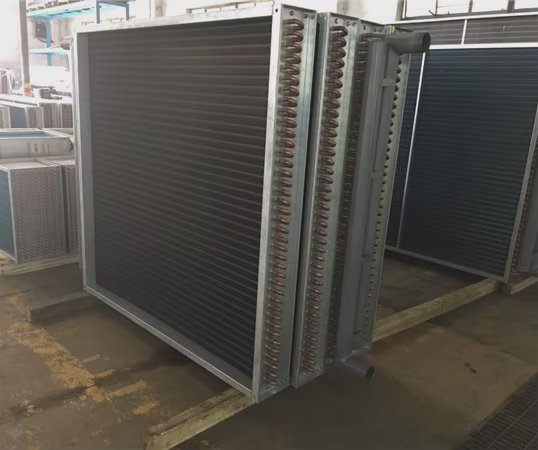
Drop-In Carrier Replacement Coils Cut 180 kg and 40 % Charge
Carrier 30XA, 30RB and AquaEdge chillers built before 2020 rely on 650 kg copper-aluminum blocks…
Thermal Performance Metrics for Microchannel Heat Exchangers
Thermal output is key in checking how well microchannel heat exchangers (MCHEs) work. These smart…
The Efficiency of Microchannel Evaporators
Microchannel evaporators represent a significant advancement in thermal management technology, particularly in the fields of…